



laminador en frío pdf
Cold rolling of strip metal is a fundamental process in the manufacturing of high-quality metal products . This technique involves the rolling of metal strips at room temperature to achieve a denser material with improved surface finish and dimensional accuracy. With years of expertise in metal processing, I present the nuances of cold rolling that professionals in the industry recognize as crucial to achieving superior product quality. Cold rolling enhances the mechanical properties of the metal, including its yield and tensile strength, while also providing an excellent surface finish. This is primarily because the process compresses the grain structure of the metal, leading to enhancements in its durability and reliability. Manufacturers highly value these attributes in applications that require precision, such as automotive panels and appliance housings. In my extensive experience, the quality of cold-rolled strip is greatly influenced by the initial material quality and the specific procedures employed during the rolling process. It's essential for manufacturers to begin with premium raw materials. This approach guarantees that any imperfections such as inclusions or impurities are minimized, ensuring that the final product meets rigorous specifications. When delving into the technical aspects, cold rolling requires precision in the setup of rolling mills. These mills must be meticulously aligned and maintained to prevent any deviations that might affect the strip's thickness or shape. Automation solutions and modern control systems have become invaluable, streamlining operations and enhancing accuracy, which meets the high demands of today's market. The expertise required in cold rolling extends beyond the mechanics of the process; it also encompasses an understanding of the material's behavior under stress. The cold rolling process significantly work-hardens the material, increasing its strength and sometimes resulting in residual stresses. Professionals must adeptly manage these factors, frequently employing annealing steps to alleviate stress and refine the grain structure before further rolling or forming operations. cold rolling strip Credibility in the cold rolling process is demonstrated not only through adherence to international standards but also through the establishment of quality assurance measures. Regular inspection and testing regimes are imperative to ascertain that the final strip meets the desired criteria in terms of thickness, hardness, and surface finish. Employing non-destructive testing methods such as ultrasonic testing and eddy current inspections can further validate the integrity of the strip without causing any damage. To establish authority within the field, it’s crucial for industry participants to maintain a robust knowledge base regarding technological advancements and emerging trends. For instance, the advent of smart manufacturing and the integration of AI algorithms into process control have revolutionized efficiency in cold rolling operations. Staying abreast of such innovations ensures sustained competitiveness and the ability to provide customers with cutting-edge solutions. Lastly, fostering trustworthiness in business practices is critical. Transparent communication with customers, including providing comprehensive technical support and guidance, can strengthen relationships and cement an organization’s reputation in the market. By continually delivering products that exceed expectations, companies can differentiate themselves in the competitive landscape of metal manufacturing. In conclusion, cold rolling of strip metals is a sophisticated process that requires a blend of expertise, precision, and innovation. As experts in the field continue to push boundaries, the cold-rolled products manufactured today are emblematic of both technological progress and a deep-seated commitment to quality.

We have successfully executed over 500
projects around the world,
many first-of-their-kind
research projects and products in China, including
We have successfully executed over 500
projects around the world,
many first-of-their-kind
research projects and products in China, including
-
2004
The 1st hydraulic AGC system for hot rolling of ribbon steel
-
2006
The 1st AFC system used for 1450mm skin pass mill
-
2009
The 1st 5-stand tandem line with 2-stand POR & Uncoiler for 650mm ribbon steel
-
2012
The 1st reversing mill for 1380mm strip
-
2016
The 1st soft-rolling system used in skin pass mill
-
2019
The 1st fully automated medium-width tandem cold rolling mill
-
2021
The 1st 5000KN Twin-stand double skin pass mill
-
2022
The 1st coupled pickling line & tandem cold mill with two modes - big roller & small roller

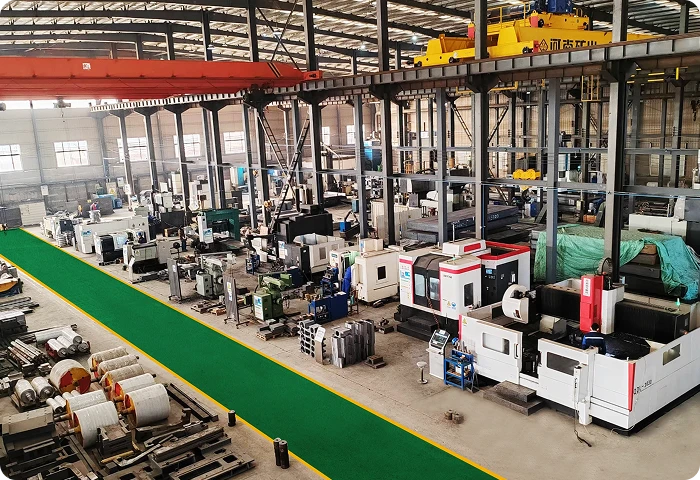
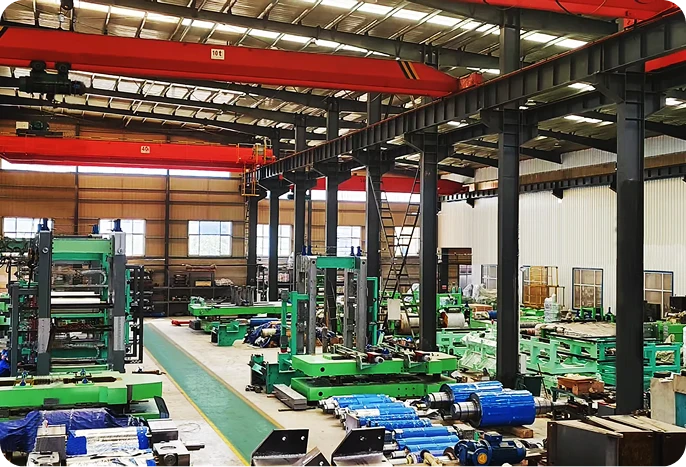
Yang Wang Li Xin operates a state-of-the-art facility over 66,000 square meters,and our manufacturing facility is fully equipped with high-tech machinery and high-capacity cranes. This enables us to handle large work pieces measuring 4.5m in width, 10m in length, and 1.5m in height, guaranteeing our capacity to produce 1800mm skin-pass mills and 1450mm rolling mills. The individual piece can weigh up to 100 tons.


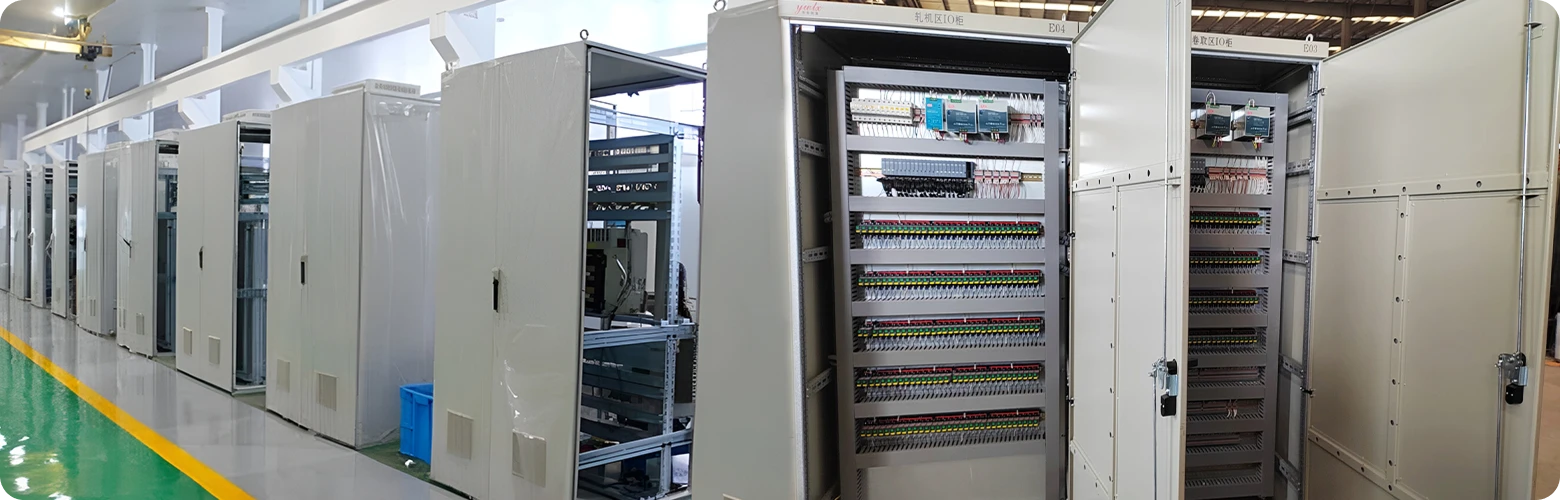
Quality is fundamental to the enterprise survival. We have established a comprehensive and meticulous quality management system and have successfully obtained ISO14000 certification. Starting from the design source, it supervises the entire production cycle, including design, procurement, processing, assembly, in-factory testing, installation, and online commissioning. The workshop is equipped with measuring tools like vernier calipers, spectrometers, hardness testers, and ultrasonic flaw detectors. They are used to check materials and control tolerances to ensure the final equipment meets or exceeds requirements. All products have a unique code, This enables the easy identification and traceability of the equipment components and ensures full control of quality.


-
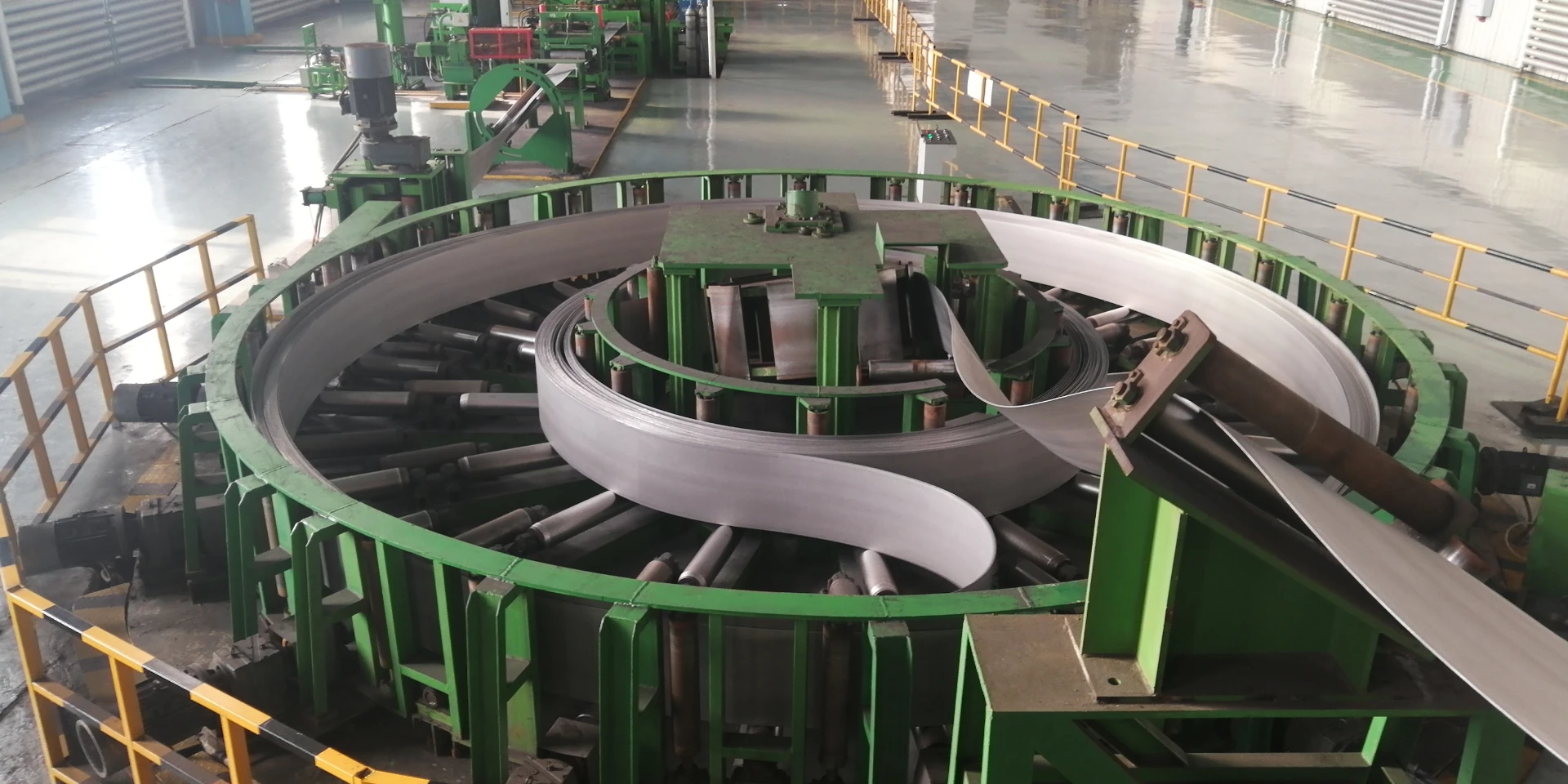 Special Testing Mill And Spare PartsIn the world of industrial manufacturing, especially in metal forming and processing, the cylindrical tube forming mill stands as a pivotal component. This sophisticated piece of machinery is not just a tool; it's a testament to engineering precision and industrial evolution. Companies leveraging these mills are looking at them through the lenses of Experience, Expertise, Authoritativeness, and Tr
 -
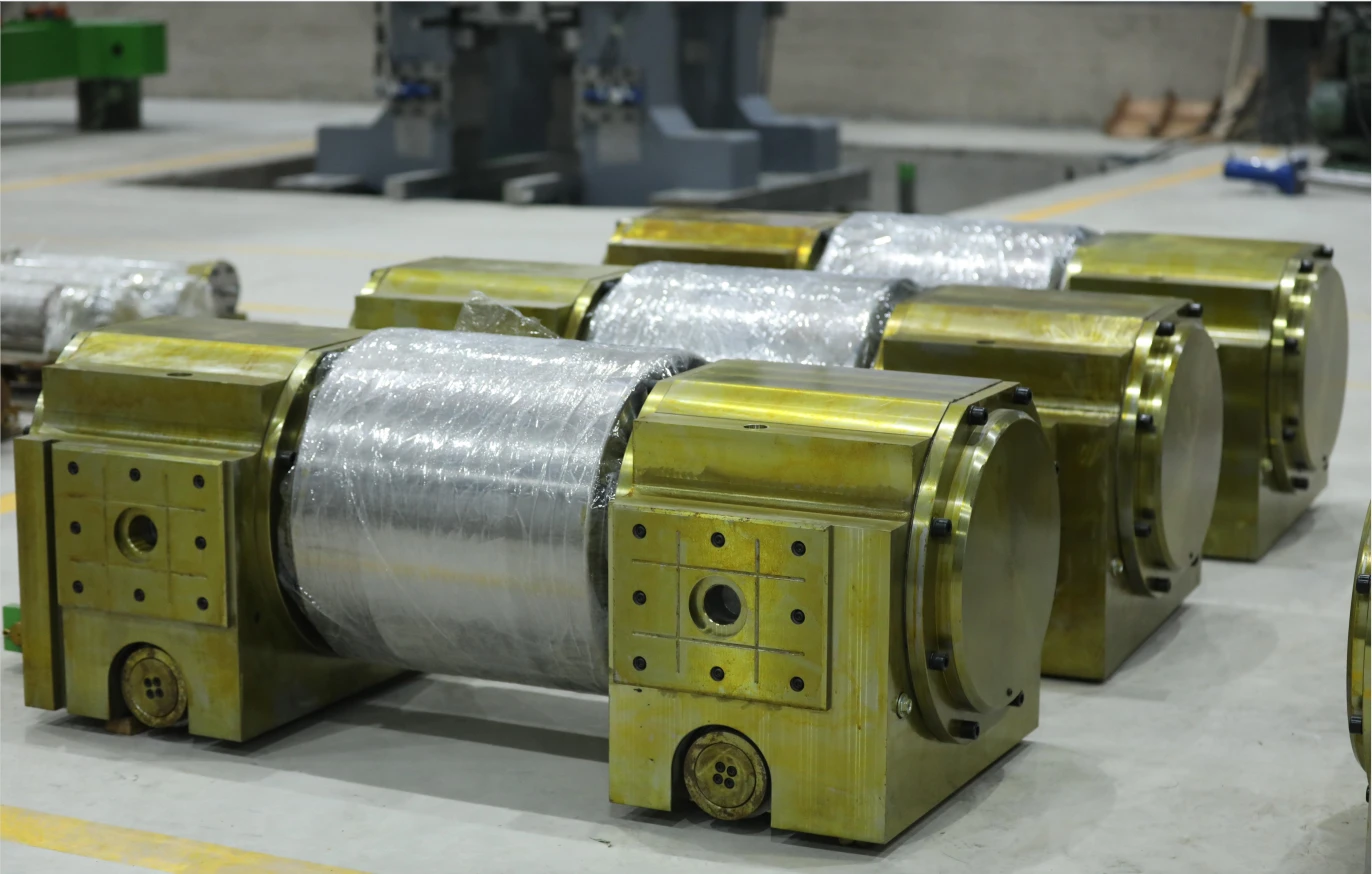 Cladding Rolling Mill-Cold Rolling Cladding Technology|Energy Efficient Metal BondingIntroduction The Cladding Rolling Mill represents a significant advancement in the field of metal bonding technology. Developed by Beijing Yang Wang Li Xin Sci&Tech Co., Ltd. , this innovative system leverages cold rolling processes to produce high-quality cladding strips with exceptional surface integrity and energy efficiency. This article delves into the technical features, advantages, applicat
 -
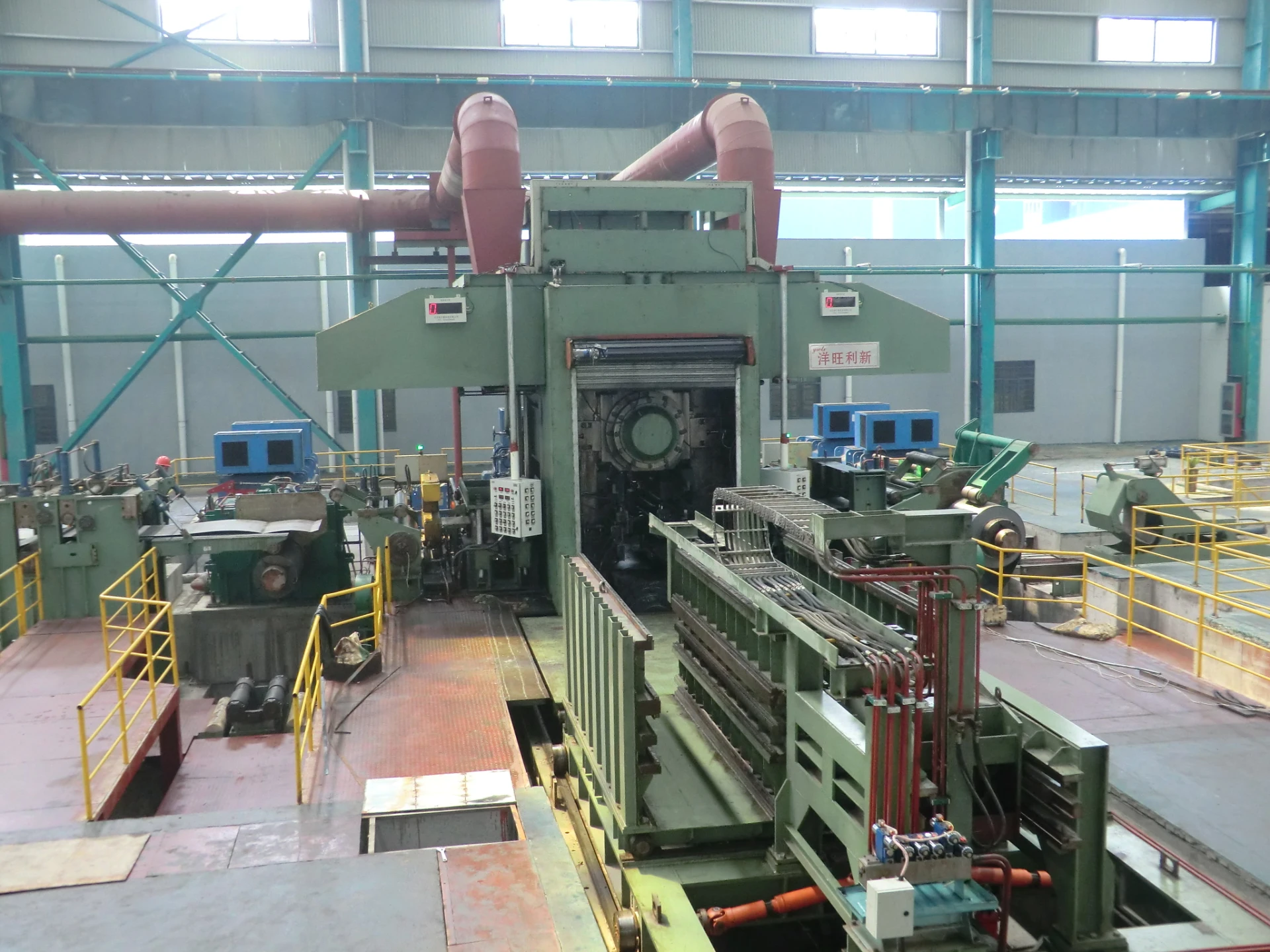 حوامل مطاحن درفلةThe Intricacies and Advantages of Rolling Mills for Pregnant Women Addressing Unique Needs with Expertise and Care As the demands of modern life increase, pregnant women are constantly seeking tools and products that can make their journeys smoother and more comfortable. Rolling mills—typically associated with industrial operations—have surprising utilities and personalized applications that cater


